
AAM BLOG
How AAM Network Inc. uses team meetings, cross-department syncs, and modern communication tools to support a growing trucking operation across two continents.
Adding trucks is the visible part of growth. The harder part is making sure that everyone who keeps those trucks moving – dispatch, safety, fleet, recruiting and the drivers themselves – is working from the same information on the same day. As a fleet grows, trucking company communication stops being something that happens on its own and becomes something you have to build on purpose.
Why communication is the first thing that breaks in a growing trucking fleet
With a handful of trucks, one dispatcher knows every load, every driver and every appointment by heart. In a growing trucking fleet, that knowledge is spread across several people and several shifts. A load change that never reaches safety, a maintenance note that never reaches dispatch, or a home-time request that never reaches the driver manager all end up in the same place: a truck that is not where it should be.
That is why we treat fleet management as a communication problem as much as a logistics one. The goal is simple: no department should have to guess what another department already knows.
A fixed rhythm of team meetings
Meetings get a bad reputation when they have no agenda and no owner. Ours are built around a fixed rhythm instead:
- Daily start-up – a short stand-up where dispatch walks through today’s loads, exceptions and anything that needs a decision before the day begins.
- Weekly department meeting – each team reviews its own numbers, open issues and what it needs from the others.
- Weekly cross-department sync – dispatch, safety, fleet and recruiting in one room, so the handoffs are agreed out loud instead of over email.
- Safety meetings – recurring sessions where recent events, inspection findings and seasonal risks are reviewed with the whole team.
The rule we care about most is that every meeting ends with the same three things written down: what was decided, who owns it, and by when. A decision nobody owns is just a conversation.
Dispatch and safety coordination: one conversation, not two
Dispatch and safety coordination is where most of the day-to-day friction in trucking lives. Dispatch is measured on service and utilization; safety is measured on compliance and risk. Those two pull in different directions unless they talk before the load is planned, not after something goes wrong.
Practically, that means hours of service, inspection history and driver experience are part of the planning conversation from the start. Cross-department communication is cheaper than a service failure, and far cheaper than an incident.
Chicago and Belgrade: one operation, two continents
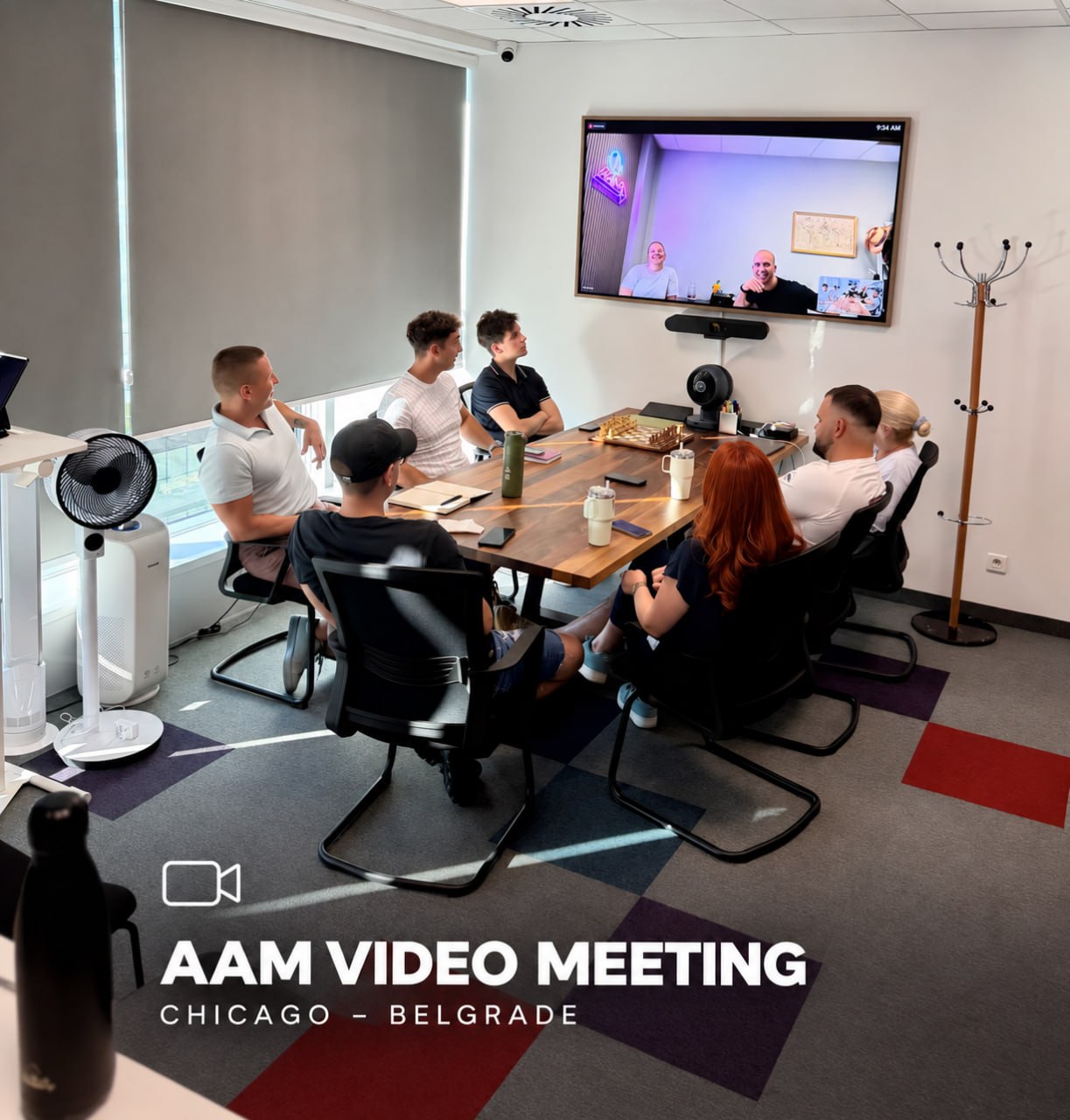
As a Chicago trucking company with a team in Belgrade, we work across a significant time difference every single day. That sounds like a complication, and it would be without structure. With structure, it is an advantage: there is an overlap window when both sides are online, and there are hours when one side keeps working while the other sleeps.
What makes it work is discipline about the handoff. Before the overlap window closes, the open items move over in writing, with context attached, so nobody starts their shift by reconstructing what happened on the other continent.
The tools behind the conversation
Tools do not replace communication, but the right ones remove the excuses for not having it:
- A transportation management system (TMS) keeps loads, documents and status in one place, so the answer to “where is that load?” is the same for everyone who asks.
- ELD and telematics turn hours of service, location and vehicle health into shared facts instead of phone calls.
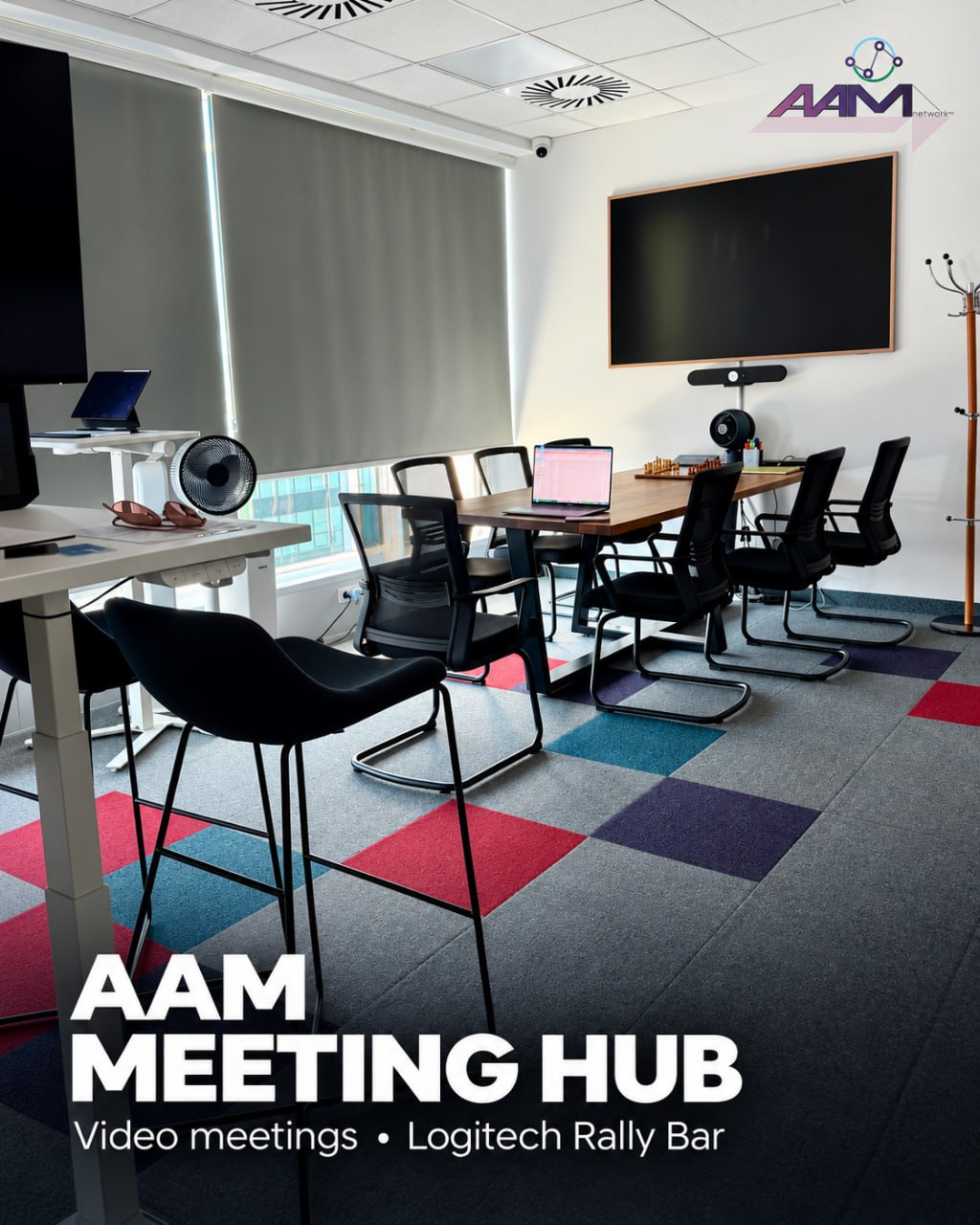
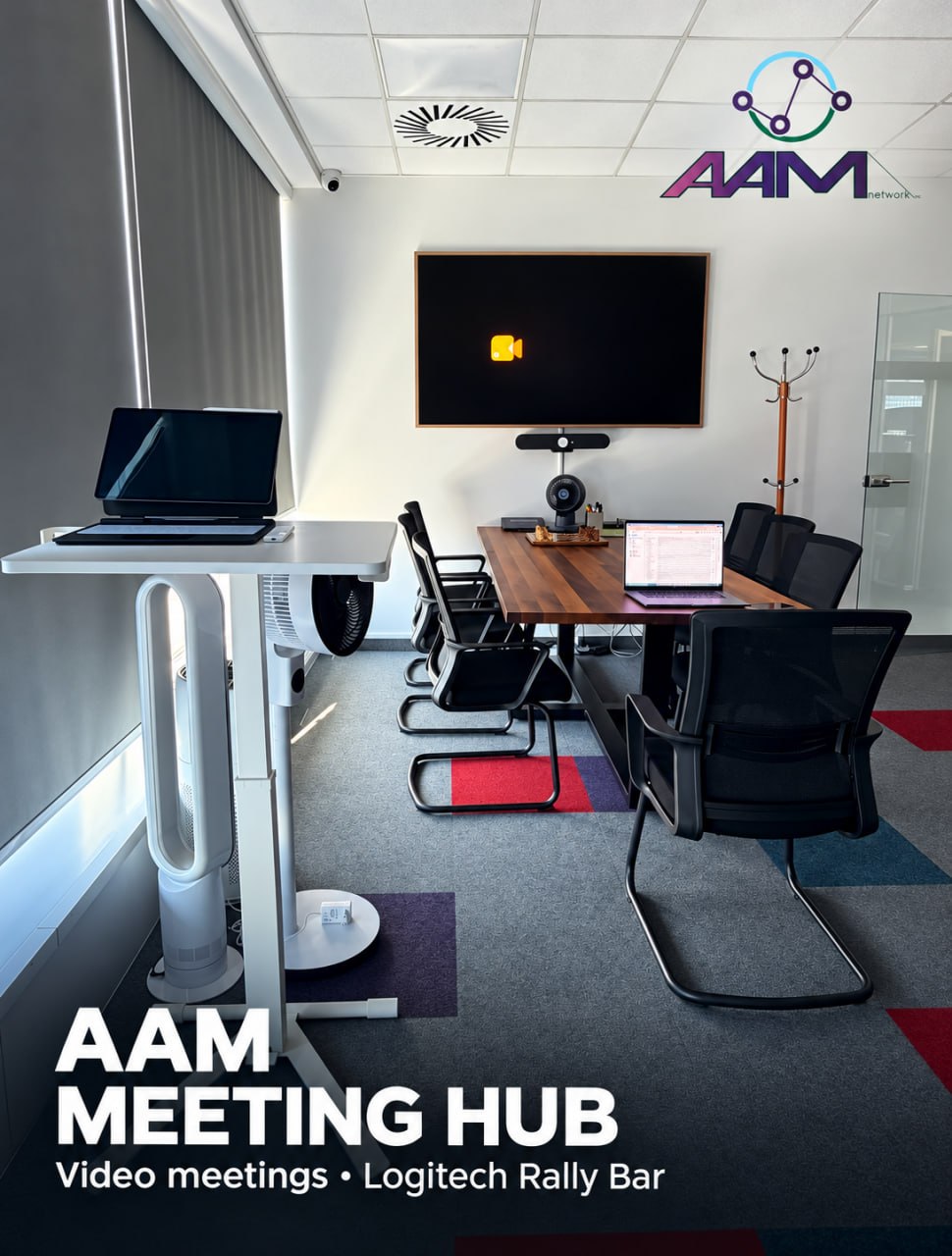
- Video meetings – with proper room equipment rather than a laptop on a table – let both offices actually see each other, which changes the tone of a meeting more than people expect.
- Written follow-ups after every meeting, so the decision survives the meeting.
It starts with driver orientation
A driver’s first week sets the tone for everything that follows. Driver orientation is where expectations are made explicit: who to call and when, how loads and changes are communicated, what the company expects on documentation, and what the driver can expect back from the office.
The same logic applies to driver safety training. Training that happens once, at hire, is a formality. Training that is repeated, discussed in safety meetings and connected to real events on the road is part of how the company operates.
Communication is culture
In the end, trucking company culture is not the slogan on the wall. It is whether a driver believes someone will pick up the phone, whether dispatch and safety trust each other, and whether people in two offices feel like one team. That is built in ordinary meetings, held consistently, with decisions that are written down and followed up.
Growing a fleet is one thing. Keeping everyone connected is what makes the growth hold.
Interested in driving with us or joining the office team? Visit the Join AAM Team page or reach out through our contact page.